What You’ll Learn
- What happened when the Colorado dental board passed a rule affecting DSO operations
- Why the ADSO sued and what grounds they challenged the rule on
- The anti-corporate sentiment showing up in state politics on both sides of the aisle
- Which dental insurance reforms have actually passed at the state level
- How much of dentistry now operates under the DSO model
The Fight Nobody Thought Was Coming
The debate over whether dental support organizations should exist seemed settled years ago. The model won. DSOs now support roughly 35% of practicing dentists, and about 40% of graduating dental students go straight into one.
Then Colorado happened.
The state dental board passed a rule that would have forced supported dentists to take over leases and equipment their DSO had been holding. It added variable fee restrictions. It opened up records demands. And it was set to go into effect January 1, 2027.
The Association of Dental Support Organizations, representing roughly half the DSO market and about $19 billion in revenue, took them to court.
“The dental board passed a rule that very much overstepped their authority,” Andrew Smith, CEO of the ADSO, told Adrian Lefler on a recent episode of the Byte Sized Podcast. “The legislation that the dental board based their rule on had nothing to do whatsoever with what they promulgated.”
The board then voted unanimously to stay the rule while the case plays out. But the question remains whether this is an outlier or the beginning of a new trend.
What the Rule Would Have Done
The practical impact would have been immediate and chaotic.
Imagine you’re a DSO-supported dentist with four practices in Colorado. Under the existing legal structure, the DSO holds the leases and equipment. On January 1, you would have needed to take all of that over personally.
“Just imagine all of the paperwork,” Smith said. “How do you transfer that? What’s the impact on the P&L? It becomes a nightmare. How am I going to be on the hook for four leases all of a sudden?”
The downstream effects hit patients. If a dentist can’t afford to absorb those costs, maybe they close a location. Maybe they see fewer patients. The continuity of care gets disrupted.
“No patients were being harmed under the current setup,” Smith said. “If you’re the dental board and you’re there to protect consumers, what problem are you solving?”
Why the Board Overstepped
Dental boards exist for two things: disciplining licensees and protecting patients. That’s the authority the legislature gave them.
Writing rules about who holds leases, who owns equipment, and how fee structures work wasn’t part of that authority. There was no corresponding legislation. The board just decided to do it.
“When a state regulatory agency promulgates a rule, there has to be an intent from the legislation for that corresponding agency to interpret and then set the rules of the road,” Smith explained. “The legislation they’re basing their rule on had nothing to do with what they promulgated.”
That’s why the ADSO sued. Not because the rule was inconvenient. Because the board reached past the power they were actually given.
The court will now decide whether that’s what happened. In the meantime, the stay prevents the rule from going into effect.
The Bigger Picture
Colorado didn’t happen in a vacuum. There’s a broader political backdrop that matters.
“What we’ve seen over the last several years dovetails with where the political spectrum is in America today,” Smith said. “Most Americans are concerned about affordability issues post-COVID. Inflation. Housing costs. The American dream feeling like it’s slipping away.”
When people feel squeezed, they look for someone to blame. And increasingly, on both sides of the aisle, that blame lands on corporations.
“You have economic Republican populists who are very anti-corporate, concerned about big tech and AI,” Smith said. “On the Democratic side, it’s more of the government-as-solver, democratic socialist approach. The one string connecting both sides is a huge uptick in anti-corporate sentiment.”
Healthcare gets pulled into this conversation constantly. People see premiums going up. They hear about private equity in hospitals. And dentistry, even though it operates differently, gets lumped in.
| Political Trend | How It Affects DSOs |
| Anti-corporate sentiment (both parties) | Increased scrutiny of any “corporate” healthcare model |
| Affordability concerns | Pressure to regulate anything that looks like it raises costs |
| Private equity backlash | DSOs with PE backing face extra skepticism |
| State-level activism | Dental boards and legislatures more willing to act |
Intent vs. Impact
Smith doesn’t believe the Colorado dental board set out to attack the DSO model. He thinks they underestimated what their rule would actually do.
“I believe the dental board members did not fully understand the impact this rule would potentially have on DSO-supported dentists,” he said. “It was more of a naive understanding of ‘oh, this is easy to clean up’ without realizing it comes off as pretty anti-DSO.”
The board was apparently trying to clarify ownership structures for compliance and disciplinary purposes. That’s a legitimate concern. But there are easier ways to address it.
“What they should have done was gone to the legislature and said, ‘Hey, we’re trying to do X, Y, and Z from a compliance point of view. Please give us the authority to do the following,'” Smith said. “Then it could have been narrowly defined, and we could have worked with them on it.”
Instead, they wrote a broad rule without statutory backing and triggered a lawsuit.
What the ADSO Actually Does
Most of what the ADSO does happens where practice owners never see it.
The organization keeps lobbyists in more than 30 states monitoring every dental bill, sunset act, and dental board agenda. They track what gets filed, assess which items have real momentum, and coordinate responses with members.
“I get a report from our government relations team on a weekly basis,” Smith said. “Literally files long of here are all the things that have been filed. Then we assess what could be a potential issue, what has legs.”
Roughly 65-70% of the organization’s effort goes to government relations. Because a single adverse rule can reshape how practices legally operate overnight.
“If there’s something adverse that’s potentially going to impede our members’ ability to operate one iota, we stop, we go right in immediately,” Smith said.
Insurance Wins at the State Level
The other major front is insurance reform. And there have been actual wins.
Several states banned virtual credit card payments. This was a practice where insurers would reimburse providers via a virtual credit card, then skim roughly 3% as a transaction fee. If you’re owed a thousand dollars, you’re paying thirty just to receive it.
“It’s basically another way to squeeze margin,” Smith said. “We’ve been able to ban that in multiple states.”
Other wins include changing assignment of benefits rules so practices aren’t chasing patients who received reimbursement checks they shouldn’t have. Network leasing transparency. Retroactive denial restrictions.
But the bigger structural problem, reimbursement rates that haven’t kept pace with costs, remains unsolved.
“That’s the most vexing question from a public policy standpoint,” Smith admitted. “How do you get dental insurance reimbursement rates that are more fair and reasonable and increase over time? I don’t have a silver bullet.”
His longer-term answer is consolidation. As the industry consolidates and larger entities emerge, negotiating power increases. A DSO with 10,000 dentists has leverage a solo practitioner doesn’t.
The Taxi Medallion Comparison
Smith compared the rise of DSOs to what ride-sharing did to taxi associations a decade ago.
“There was a lot of concern from taxi cabs saying this is going to kill our market share,” he said. “What reality showed was that there were a lot of underserved communities who couldn’t get taxis. There was more democratization. More convenience. More efficiency.”
The comparison holds in some ways. DSOs expanded access to care, especially in underserved areas. They offered dentists a different way to practice. They brought business support to clinicians who wanted to focus on clinical work.
But there’s a key difference. Taxi medallion holders had invested heavily in a system that ride-sharing disrupted. DSO dentists are still licensed dentists. They still own the practice. They just chose business support.
“It’s not changing at all how people are regulated or how they become a licensed professional,” Smith said. “It’s just adding more value and more access to care.”

What Comes Next
Smith sees the next two years as mission critical for the DSO industry’s government relations work.
Midterm elections are coming, then a presidential race. New legislators will take office without context on what DSOs are or how they operate. Relationships need to be built before problems arise.
“You’re going to have to really invest in building key relationships with people so they understand what you do, why dental is so important, how we’re different but connected to healthcare in a positive way,” Smith said.
The proactive work matters because reactive work is more expensive. Waiting until a rule passes to engage costs more time, more money, and more uncertainty than building relationships beforehand.
“I know people don’t want to hear this,” Smith said. “You’re going to pay more in the long run if you wait. You’ve got to be proactive.”
In This Episode:

Andrew Smith, CEO of the ADSO
Andrew Smith is the CEO of the Association of Dental Support Organizations, a role he has held since 2021. Before dentistry he worked in Washington as a multi-client consultant and lobbyist, with earlier stops in political and government offices. At the ADSO he leads advocacy across state legislatures, dental boards, and insurance regulators, and hosts the association’s podcast, Thank You for Flossing.
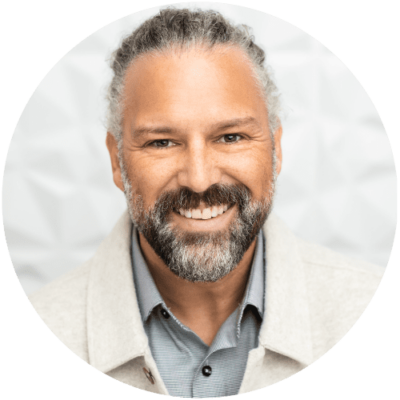
Adrian Lefler, CEO and Co-founder of My Social Practice
Adrian Lefler, CEO of My Social Practice, is a seasoned expert in the dental marketing industry with 14 years of experience. He is widely recognized for his engaging and informative presentations. Based in Suncrest, Utah, Adrian shares his life with his wife, four children, and a lively mix of pets. My Social Practice is a leading dental marketing company, and Adrian is passionate about helping dental professionals succeed in this dynamic field.
Frequently Asked Questions
What does a dental industry association actually do that practice owners never see?
Most of the work is government relations. The ADSO keeps lobbyists in more than 30 states monitoring every dental bill, sunset act, and dental board agenda, then decides which items have real momentum. Roughly 65-70% of the organization’s effort goes there because a single adverse rule can reshape how practices legally operate.
Can a state dental board change how a dental practice structures its business?
Only within the authority the legislature granted it. Dental boards exist for licensee discipline and patient protection. When a board writes rules on leases, equipment ownership, or fee structures without statutory backing, it can be challenged in court as overreach, which is exactly what happened in Colorado.
What should a practice do when a new state rule threatens its operating structure?
Engage before the rule is final. Submit comments, request meetings, and show regulators the concrete operational impact. Boards often don’t understand what a rule costs on the ground. In Colorado, that engagement plus litigation produced a unanimous vote to stay the rule pending the outcome.
What dental insurance reforms have actually passed at the state level?
Several states banned virtual credit card payments, which let insurers pay providers by card and skim roughly 3% as a transaction fee. Others changed assignment of benefits rules so the practice isn’t chasing patients for reimbursement checks. Network leasing and retroactive denials are the next targets.
How much of dentistry is now practiced under the DSO model?
Close to 35% of dentists practice in a DSO-supported setting, and about 40% of graduating dental students go straight into one. Rising school debt and the economics of buying a practice drive most of that. Meanwhile 50% of Americans still don’t see a dentist annually.