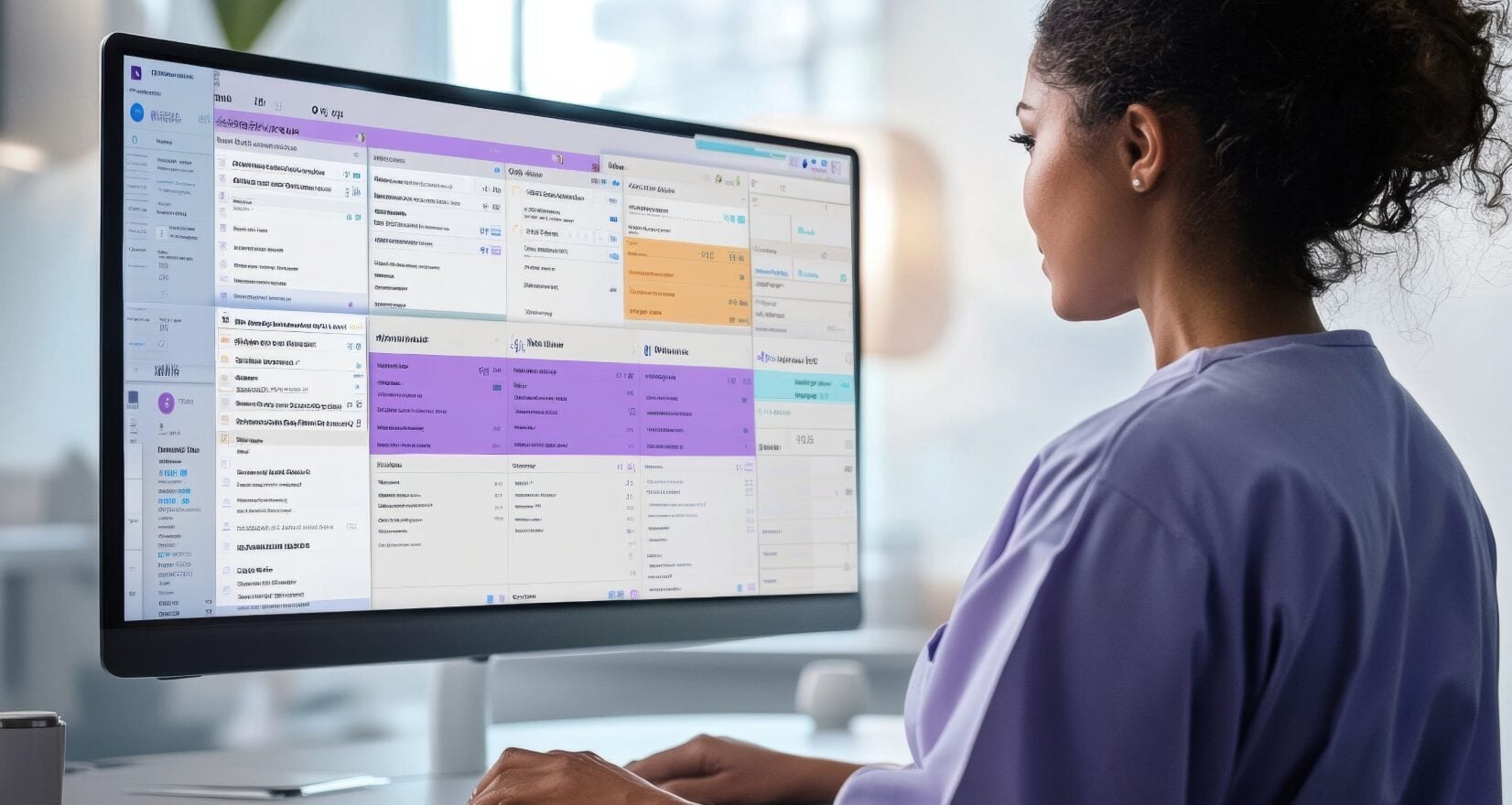
Should Dentists Use Online Scheduling?
Yes, most dentists should offer online scheduling. It lets patients book at any hour, helps fill open appointment slots, and takes routine booking requests off your front desk team’s plate so they can focus on the patients in front of them. The key is to set it up thoughtfully, with the right appointment types, a connection to your practice management system, and a human backup for anything complicated.
What You’ll Learn
- Why most dental practices benefit from offering online scheduling
- How it helps fill your schedule and take pressure off your front desk
- Which appointments are great for online booking and which are better handled by a person
- What to look for in a scheduling setup so it actually works with your practice
- How online scheduling, web chat, and an AI coworker can team up
Why This Question Matters
Think about the last time you booked a haircut, a restaurant table, or a car service. Chances are you did it from your couch, probably at an hour when the business was closed, and probably without talking to anyone. Patients live that way now, and they bring those habits with them when they go looking for a dentist.
Meanwhile, your front desk is juggling ringing phones, check-ins, insurance questions, and a waiting room that never seems to stay empty. Nobody on that team is falling short. There are simply more tasks than hands during business hours, and patients don’t call only during business hours anyway.
Online scheduling sits right in the middle of those two realities. It gives patients the convenience they expect and gives your team a little breathing room. So the real question isn’t whether it’s a nice idea, but how to make it work well for your practice.
The Longer Answer:
It Meets Patients Where They Are
Patients decide to book a dental appointment at all kinds of odd moments. Late at night after a tooth starts to ache, during a lunch break, on the weekend while scrolling the couch cushions for their dental insurance card. Online scheduling gives them 24 hour availability, so they can act on the spot instead of waiting until your office opens and hoping to catch someone at the phone.
That matters because a patient who can’t book right away often moves on to the next practice in the search results. Making it easy to say yes in the moment is one of the simplest ways to turn website visitors into booked patients.
It Helps Fill Your Schedule
Empty chair time is expensive, and so is the stress of cancellations. Online scheduling can help reduce empty appointment slots by letting patients grab openings as soon as they see them, including last minute ones. It also improves patient engagement, since patients can book, and often reschedule, on their own terms.
On the practice side, it can reduce operational costs by shaving down the time spent on back and forth phone tag for simple bookings. That’s time your team can spend on things only humans can do well, like welcoming a nervous patient or walking someone through a treatment plan.
It Supports Your Front Desk, Not Replaces It
Let’s say this clearly, because it’s the most common worry. Online scheduling does not replace your front desk. It handles the repeatable, predictable bookings so your team can handle everything else.
Your front desk is still the heart of the patient experience. They build relationships, read the room, solve scheduling puzzles, and calm nerves in a way no booking form can. Online scheduling just means they’re not spending their whole day on routine appointment requests.
Not Every Appointment Belongs Online
A good online scheduling setup isn’t all or nothing. Most practices get the best results by letting patients book certain appointment types online while keeping others for a conversation. Here’s a helpful way to think about it:
| Appointment Type | Online Booking? | Why |
| Routine cleaning and exam | Great fit | Predictable, repeatable, easy to book |
| New patient visit | Great fit | Patients love booking this on their own time |
| Follow-up or recare visit | Great fit | Simple and often time-sensitive |
| Emergency or pain visit | Usually a call or chat | Needs triage and fast human judgment |
| Complex treatment planning | Better with a person | Needs sequencing across multiple visits |
| Sedation or special accommodations | Better with a person | Requires prep and a personal touch |
You can start small, with just a few appointment types, and expand as you see what works.
Connection Matters More Than Flash
Here’s where many practices get tripped up. An online scheduling tool that doesn’t talk to your practice management system creates extra work instead of less. If bookings land in a separate inbox that someone has to re-enter by hand, you’ve just swapped phone tag for data entry.
Look for a setup that connects to your existing scheduling software so patients see real availability and appointments land directly on your calendar. At My Social Practice, our dental websites can integrate with nearly all third party scheduling and payment software, so you can keep the tools you already use.
Pair It With Other Easy Next Steps
Scheduling works best as part of a bigger picture. A few companions make a big difference:
- Online forms: Let patients complete paperwork before they arrive, which improves accuracy and saves time at check-in
- Online payments: Make it easy to handle balances without a phone call
- Click-to-call: Always keep an obvious phone number for patients who prefer talking
- Web chat: Catches questions that might otherwise stop someone from booking
- Virtual consultations: A comfortable first step for patients who want to talk before committing
Think of your website as a friendly path from “I’m curious” to “I’m booked.” Every extra hoop is a place someone can fall off.
Where an AI Coworker Fits In
Online booking covers patients who prefer clicking. But plenty of patients still pick up the phone, especially for urgent things, and those calls come in after hours and during your busiest moments too.
That’s where a digital coworker like Annie AI comes in. Annie answers calls and web chat around the clock, connects to your practice management system to book appointments in real time, and routes complex issues to your front desk. She also calls patients who are overdue for hygiene and books their cleanings directly into your schedule. So between online scheduling for the clickers and Annie for the callers and chatters, patients can book the way they like, any time of day, while your team stays focused on the people in the office.
A Few Tips for a Smooth Setup
- Keep the booking flow short. Fewer steps mean more completed bookings.
- Make it mobile friendly. Most patients will book from their phones.
- Set clear rules. Decide which appointment types, providers, and time slots are open to online booking.
- Confirm and remind. Automatic confirmations and reminders help cut down on no-shows.
- Protect patient information. Make sure anything collecting patient details is secure and HIPAA compliant, including SSL encryption on your website.
- Check in on it. Look at your bookings now and then to see what’s working and adjust.
Bottom Line for Online Scheduling
For most practices, online scheduling is a smart move. It gives patients the convenience they expect, helps fill your schedule, and frees your front desk from routine booking so they can focus on the human side of care. Start with a few easy appointment types, make sure the tool connects to your practice management system, keep a human option for anything complicated, and consider adding an AI coworker to cover calls and chats around the clock. Done well, it feels like adding another helping hand, not taking one away.
Related Reading
The New Patient Journey in 2026: From AI Search to the Appointment Chair
How Online Scheduling Reduces Dental No-Shows
How Online Dental Schedulers Solve 5 Key Practice Issues
Online Scheduling for Dentists: The Advantage Your Practice Is Missing
How One Oklahoma City Dental Practice Grew New Patients by Switching to an Online Scheduler
Frequently Asked Questions
Will online scheduling replace my front desk team?
No. An online scheduler handles routine bookings so your team has more time for patients in the office, complex scheduling, and the relationship building that keeps patients coming back.
Which appointments should patients be able to book online?
Routine cleanings, exams, new patient visits, and follow-ups are usually a great fit. Emergencies, complex treatment plans, and anything needing special accommodations are often better handled through a call, chat, or conversation with your team.
Does online scheduling need to connect to my practice management software?
Ideally, yes. A connected online scheduling setup shows patients real availability and places appointments directly on your schedule, so your team doesn’t have to re-enter anything by hand.
Is online scheduling secure and HIPAA compliant?
It should be. Make sure your website and any scheduling tool use proper security, including SSL encryption, and are built with HIPAA requirements in mind.
What if patients still prefer to call?
Keep your phone number easy to find, and consider support like an AI coworker for after hours and busy moments. That way patients can book however they prefer, and calls don’t go unanswered.

Adrian Lefler is the CEO and Co-Founder of My Social Practice and a recognized dental marketing expert with nearly two decades of experience. He is a trusted voice in dental marketing, AI in dentistry, and emerging technology, and he hosts BYTE SIZED, a podcast focused on dental AI, innovation, and technology.