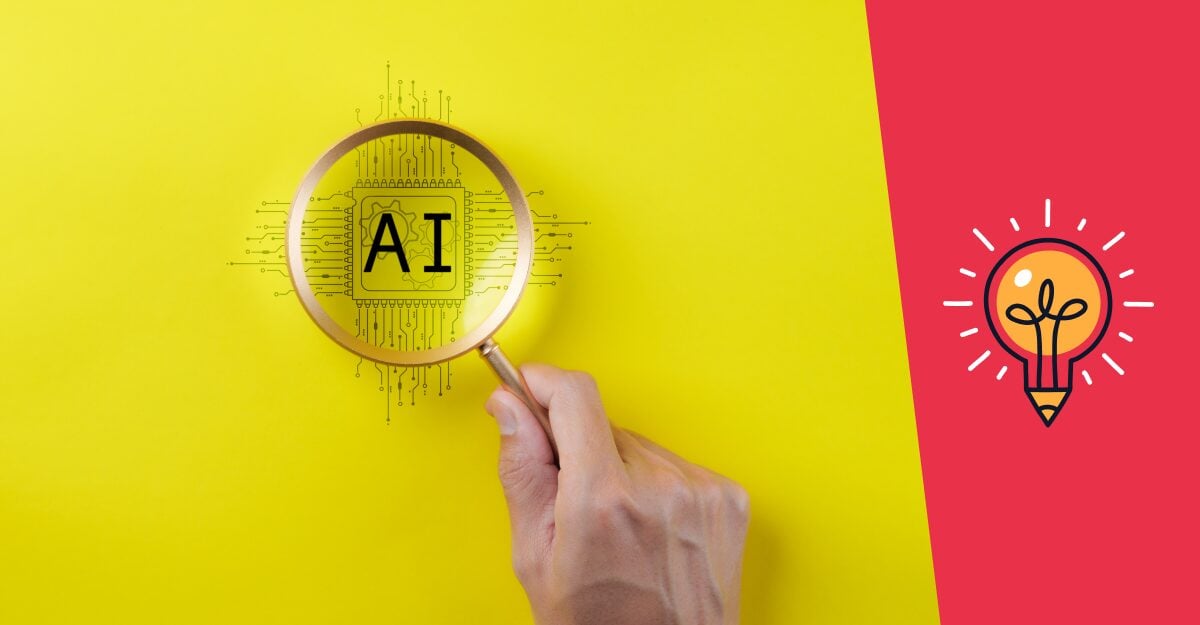
Quick Tip: Should Dentists Disclose AI-Generated Images?
Yes, when the image could be mistaken for real. Patients value honesty, and nearly nine in ten consumers say brands should disclose AI-generated social content. A simple “AI-generated” note on realistic images protects your credibility. Never use AI to create fake patients, fake team members, or fake treatment results.
Why?
AI images are everywhere, and they are getting good. In one Oliver Wyman Forum survey, 56 percent of AI users could not correctly tell real images from AI-generated ones. If your own patients can’t tell, a “huh, is that real?” moment on your dental website or Instagram is easy to trigger, and it lands harder in healthcare than almost anywhere else.
Trust is the whole ballgame for a dental practice. Clutch’s 2026 social media AI report found that nearly 90 percent of consumers believe brands and creators should disclose AI-generated social media content, and 64 percent say they would trust a brand less if products were misrepresented using AI. Translation: the risk isn’t using in using AI, it’s more about getting caught red-handed.
There is a small tradeoff worth knowing about. Research on labeling shows an “AI-generated” tag can slightly lower how authentic people perceive an image to be. That’s a good reason to save AI images for the places they belong, like illustrations, backgrounds, and concept graphics, and to use real photos of your real team where authenticity matters most.
Best Practices
✔ Add a quick note (“Image created with AI”) when an image looks realistic
✔ Use AI for illustrations, graphics, and backgrounds, not for people or results
✔ Keep real photos for your team, your office, and your patient stories
✔ Never use AI to create before-and-after images or imply real treatment outcomes
✔ Use each platform’s built-in AI label option when it is available
Common Mistakes
The big one is the AI “team photo” of generated staff who don’t actually work for you. If a patient shows up and nobody looks like the website, that trust is hard to win back. Close second is quietly using AI images and hoping nobody notices. Patients are getting better at spotting them, and being caught is far worse than being upfront. Also avoid AI-generated before-and-afters entirely. Real results need real patients, real consent, and real photos.
When to Disclose
| Image Type | Disclose? | Why |
| Realistic AI “patient” or “team member” | Avoid using it at all | Misleads patients about who they will meet |
| AI-generated before-and-after | Avoid using it at all | Misrepresents actual results |
| Realistic AI scene or stock-style photo | Yes | Could be mistaken for a real photo |
| Obvious illustration or cartoon | Usually not needed | Nobody mistakes it for a photograph |
| AI-assisted edits (cropping, retouching) | Use judgment | Disclose if the edit changes what the image shows |
Learn More
Frequently Asked Questions
Do I have to disclose AI images on my dental website?
There is no single rule that covers every situation, but being upfront is the safest way to protect patient trust. Check your state dental board’s advertising guidelines and any platform requirements, since those can vary.
Where should the AI disclosure go?
Put a short note in the caption, in small text near the image, or in the alt text. Many platforms, including Instagram, also offer built-in AI labels you can use.
Is it okay to use AI images on social media at all?
Yes. AI works well for illustrations, graphics, and concept images. Keep real photography for anything that represents your team, your office, or your results.
Can I use AI to create before-and-after photos?
No. Before-and-afters should only show real patients who have given written authorization. AI-generated results would misrepresent your work.
Will labeling an image as AI-generated hurt my engagement?
It can slightly reduce how authentic an image feels, which is why AI images are best used for graphics and illustrations rather than anything meant to feel personal.

Adrian Lefler is the CEO and Co-Founder of My Social Practice and a recognized dental marketing expert with nearly two decades of experience. He is a trusted voice in dental marketing, AI in dentistry, and emerging technology, and he hosts BYTE SIZED, a podcast focused on dental AI, innovation, and technology.