What You’ll Learn
- Why new technology exposes existing communication and culture problems
- How to frame automation so team members embrace it instead of fearing job loss
- The beliefs-behaviors-results framework and how it applies to scanner adoption
- Why doctors spend $100,000 on equipment faster than they’ll schedule a team meeting
- How to build continuous improvement into job descriptions and actually measure it
The Problem Isn’t the Software
Most dental practices think they have a technology adoption problem. What they actually have is a communication problem they’ve been calling something else.
Lisa Alvarado has spent more than 20 years inside dental practices as a registered dental assistant, practice manager, and team leader. She now runs Empower Choice, helping dental teams build the communication systems that make change stick. On a recent episode of the Byte Sized Podcast, she laid out a simple position: technology is only as effective as the team surrounding it.
“If you don’t have a team that is involved and they have high levels of communication, we have high levels of training, we’re aligned in why we’re doing things, what the purpose of these changes are, then technology can be great,” Lisa said. “But without that, it’s just going to expose the things that are already not working in your office.”
The goal isn’t to adopt every new tool. The goal is to build a team that’s change-ready, constantly, because the pace of innovation isn’t slowing down. Software that launched a year ago is already on its third version. Vendors ship updates faster than practices can absorb them.
Without the human infrastructure to support it, even great technology crashes on arrival.

The Problem Is Fear
Adrian Lefler pushed back with a scenario every dental practice owner will recognize.
He had two copywriters at his company. When he mentioned building an AI-powered copywriting tool, both immediately assumed they were getting fired. Their manager, wanting to protect them, dragged her feet on the project.
“My whole goal here, nobody’s getting fired,” Adrian said. “Positions are going to change, responsibilities will change. We’re just leveraging some technology to help us do our job better.”
That context didn’t matter. The fear showed up anyway.
This is happening across industries. Technology comes online that automates a significant portion of tasks. If you ask team members to look for process improvements from the bottom up, some will stay quiet because they think identifying automation opportunities puts their jobs at risk.
Lisa’s answer is to frame the tool around what it gives the team member, not what it takes away.
“If I’m an insurance verification coordinator and that’s my only role in the practice, then I get to look at what tools help me do my role faster and better,” she said. “So now I get to actually spend more time supporting our patients, helping them to understand what’s possible for them.”
An insurance coordinator who sees automation as a way to spend more time on patient conversations will adopt the tool. One who sees it as a threat to their paycheck will resist it, consciously or not.
The culture has to make it safe to suggest improvements. If bringing a better tool forward could cost someone their position, they won’t bring it forward.
Decisions Happen in a Circle
Lisa doesn’t frame technology decisions as top-down or bottom-up. She frames them as circular.
“Everybody’s sitting in a circle looking at each other and going, how can I help you? How can I help you?” she said. “And somebody’s pointing their finger back and saying, how can I help you? So we feel completely supportive and at the same time completely willing to serve one another.”
The doctor owns the decision. The team helps inform it. The team brings it to life.
When a doctor comes back from CE excited about a new scanner, the team isn’t resisting the technology. They’re processing a flood of questions the doctor didn’t address: How will this change my day? Will I have time to learn it? When I make a mistake, will that be okay or will I be in trouble? Is this just another initiative we announce and never follow through on?
If those questions don’t get answered, they don’t disappear. They come out as resistance behaviors. Excuses. Quiet quitting. Falling back to the old system.
“If we don’t address those questions that are floating through their head, they don’t just go away,” Lisa said. “They come out in the behaviors of our everyday workflow.”
Beliefs, Behaviors, Results
Lisa uses a framework she calls beliefs, behaviors, results. It’s cyclical.
Every result comes from a behavior. Every behavior comes from a belief. And the result reinforces the belief, which drives the next behavior.
If you only try to change the behavior, the change won’t last. The belief underneath will pull the person back to their old pattern. This is why diet and exercise resolutions fail in January. The behavior changed. The belief didn’t.
She gave an example of a clinical assistant learning a new intraoral scanner.
The assistant might be excited about the technology. They’ve read the manual, watched the training video, done the demo. But they have no competence yet. They haven’t used it on real patients.
Throughout the day, they see six or seven patients. They use the scanner once. They default to traditional impressions the other five times because that’s where they feel confident.
The leader asks why they’re not scanning. The assistant says the plug didn’t work, or they were too busy, or they forgot to turn it on. The real answer: they’re afraid to mess up.
“We want to create a space for the team members to be able to say yes to become competent in that,” Lisa said. “Yes, you are not right now, and that’s okay.”
Structure provides safety. Define what proficiency looks like. Set a timeline. Provide training and practice time. Make it safe to fail. That structure lets the team member move from where they are to where everyone wants them to be.
| Element | What It Looks Like |
| Define proficiency | “You can complete a full-arch scan in under 4 minutes with less than 2 retakes” |
| Set a timeline | “We’ll evaluate progress at 30 days, full proficiency expected by 60 days” |
| Provide practice time | “Block 30 minutes Tuesday and Thursday for scanner practice on models” |
| Make failure safe | “Mistakes during learning are expected. Ask questions. We’ll troubleshoot together.” |
Make It a Responsibility, Not a Suggestion
Adrian raised a practical concern. Team members are busy. Their task lists are full. Looking for process improvements is a different skill than executing daily responsibilities.
If continuous improvement isn’t in the job description, it probably won’t happen.
Lisa agreed. Growth and learning can’t be a poster on the wall. They have to be measured.
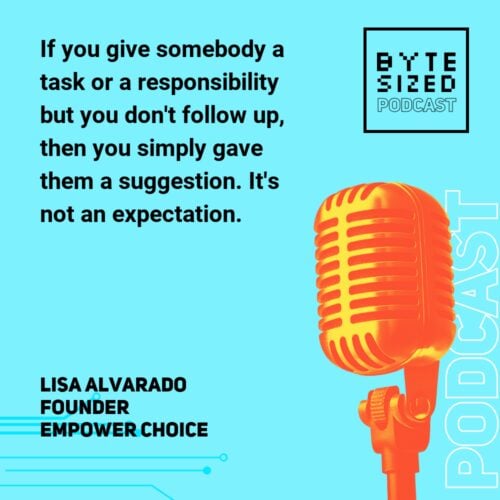
“If you give somebody a task or responsibility but you don’t follow up, then you simply gave them a suggestion,” she said. “It’s not an expectation. It’s only an expectation if you come and follow up.”
Build it into job descriptions. Review it in growth conferences once or twice a year. Ask team members where they want to grow, what’s working, what’s making their job harder. Hold regular meetings where people bring ideas for tools, training, or process changes.
The leader’s role in those meetings matters. If the leader sees themselves as the person who has to fix every problem, they’ll avoid scheduling the meetings. Too exhausting. Too time-consuming.
“When the team leader sees themselves as a sounding board as opposed to the one who’s going to give them the answers, it changes the whole dynamic,” Lisa said. “It changes the expectations for both.”
The team member knows they won’t be told what to do. They know they own the solution. The leader knows they’re there to listen and reflect, not to carry every problem on their own shoulders.
Time Before, Not Time After
Doctors are more willing to spend money than time.
Lisa sees it constantly. Getting a doctor to invest $100,000 in equipment is easier than getting them to invest in team meetings.
“It boggles my mind,” she said.
Part of the reason is measurement. A dollar is a measurable activity. Creativity and team development are harder to quantify. But results can be measured even when the process can’t.
The time gets spent either way. The question is whether it gets spent proactively or reactively.
“Five really thoughtful conversations before the decision is made will prevent five months of frustrations after the decision is made,” Lisa said.
Invest the time upfront, while you still have options. Or invest it later in fix-it meetings after the implementation has already failed. Choose your hard.
When Technology Arrives Tuesday
The worst version of this plays out every week in practices across the country.
Doctor comes back from CE. They’re excited. They purchased a new piece of equipment. It’s being delivered Tuesday. They want to start using it Wednesday.
The team says okay. Inside their heads, a different conversation is happening. How is this going to change my day? Do I have time to learn it? What happens when I make a mistake? Is this another thing we announce and abandon?
None of that gets addressed. The equipment arrives. Adoption stalls. The doctor wonders why the team is resisting.
The fix isn’t complicated. It just requires slowing down.
Involve the team before the decision, not after. Let them ask questions. Define what success looks like. Build training into the implementation timeline. Create space for feedback when things don’t go perfectly.
“The leader is the one who owns the decision, but the team helps inform that decision and the team is the one that brings it to life,” Lisa said.
Technology that arrives with structure gets adopted. Technology that arrives as a surprise gets resisted.
The Measurable Wins
When the communication infrastructure is in place, practices see it in the numbers.
Case acceptance goes up. When team members feel supported and have the skills to communicate clearly with patients, more patients say yes to treatment.
Turnover goes down. People who feel accomplished in their work don’t leave. They want to participate more.
“People who feel accomplished in their work don’t leave,” Lisa said. “They’re not going to go anywhere.”
Both of those outcomes are measurable. Both tie directly to the culture work that makes technology adoption possible.

In This Episode:

Lisa Alvarado, Founder of Empower Choice
Lisa Alvarado is a Communications and Systems Coach and founder of Empower Choice, which helps dental leaders and teams build the communication systems that make change stick. After starting in corporate healthcare at Baxter Healthcare, she spent more than 20 years in dentistry as a practice manager, registered dental assistant, and team leader. She holds a master’s degree in industrial/organizational psychology and a professional license in integrative coaching.

Adrian Lefler, CEO and Co-founder of My Social Practice
Adrian Lefler, CEO of My Social Practice, is a seasoned expert in the dental marketing industry with 14 years of experience. He is widely recognized for his engaging and informative presentations. Based in Suncrest, Utah, Adrian shares his life with his wife, four children, and a lively mix of pets. My Social Practice is a leading dental marketing company, and Adrian is passionate about helping dental professionals succeed in this dynamic field.
Frequently Asked Questions
Why does new technology fail in dental practices?
New technology usually fails because the team was never prepared for the change. When staff lack communication, training, and a shared understanding of why the change is happening, the software exposes existing gaps in systems and culture. A change-ready team is the foundation every technology decision runs on, and most practices skip building it.
How do you get dental staff to embrace new technology instead of fearing it will replace them?
Frame the tool around what it gives the team member, not what it takes away. When an insurance coordinator sees automation as a way to spend more time helping patients understand their coverage, adoption follows. Build a culture where suggesting a better tool is rewarded, never punished with a lost job or fear of replacement.
Why do dental assistants avoid using a new intraoral scanner?
Usually because they don’t feel competent yet. Behavior follows belief, so an assistant who fears making mistakes on live patients falls back on traditional impressions and blames a busy schedule or a dead plug. Leaders should define what proficiency looks like, set a timeline, provide training and practice time, and make it safe to fail.
How can a dental practice build continuous improvement into its team culture?
Make it part of every job description and measure it. Review it once or twice a year in growth conferences, and hold regular meetings where team members bring ideas for tools, training, or process changes. Leaders should act as a sounding board, not the person who fixes every problem. A responsibility without follow-up is only a suggestion.
Is it worth investing team time before buying new dental technology?
Yes. Lisa Alvarado’s rule of thumb is that five thoughtful conversations before a decision prevent five months of frustration after it. Many doctors will spend $100,000 on equipment or new dental technology faster than they’ll schedule a team meeting, but the time gets spent either way. Invest it upfront, while you still have options, instead of in reactive fix-it meetings.



[Byte Sized Podcast Ep. 64] The Real Reason Technology Fails in Dental Practices (It’s Not the Tech)