Last updated: Aug 9, 2026 · By Adrian Lefler
Quick Answer: To show up in ChatGPT local search for dentists, you need to be strong in Bing, not just Google. ChatGPT pulls local results from its own web index, Bing, and trusted review sites (Yelp, Facebook), then reranks them. Claim your Bing Places profile, keep your name, address, and phone identical everywhere, add LocalBusiness schema, and earn public reviews. The 8 steps are below.
If you’re only optimizing your dental practice for Google, you’re already falling behind. ChatGPT now delivers surprisingly strong local search results, and it isn’t just parroting one search engine. Thanks to its own web crawler, a long-standing tie to Bing’s index, and its own ranking logic, ChatGPT has become another digital front door for new patients to find your practice. That means your dental marketing strategy needs to expand beyond traditional SEO and start thinking AI-first.
How does ChatGPT find local dental practices?
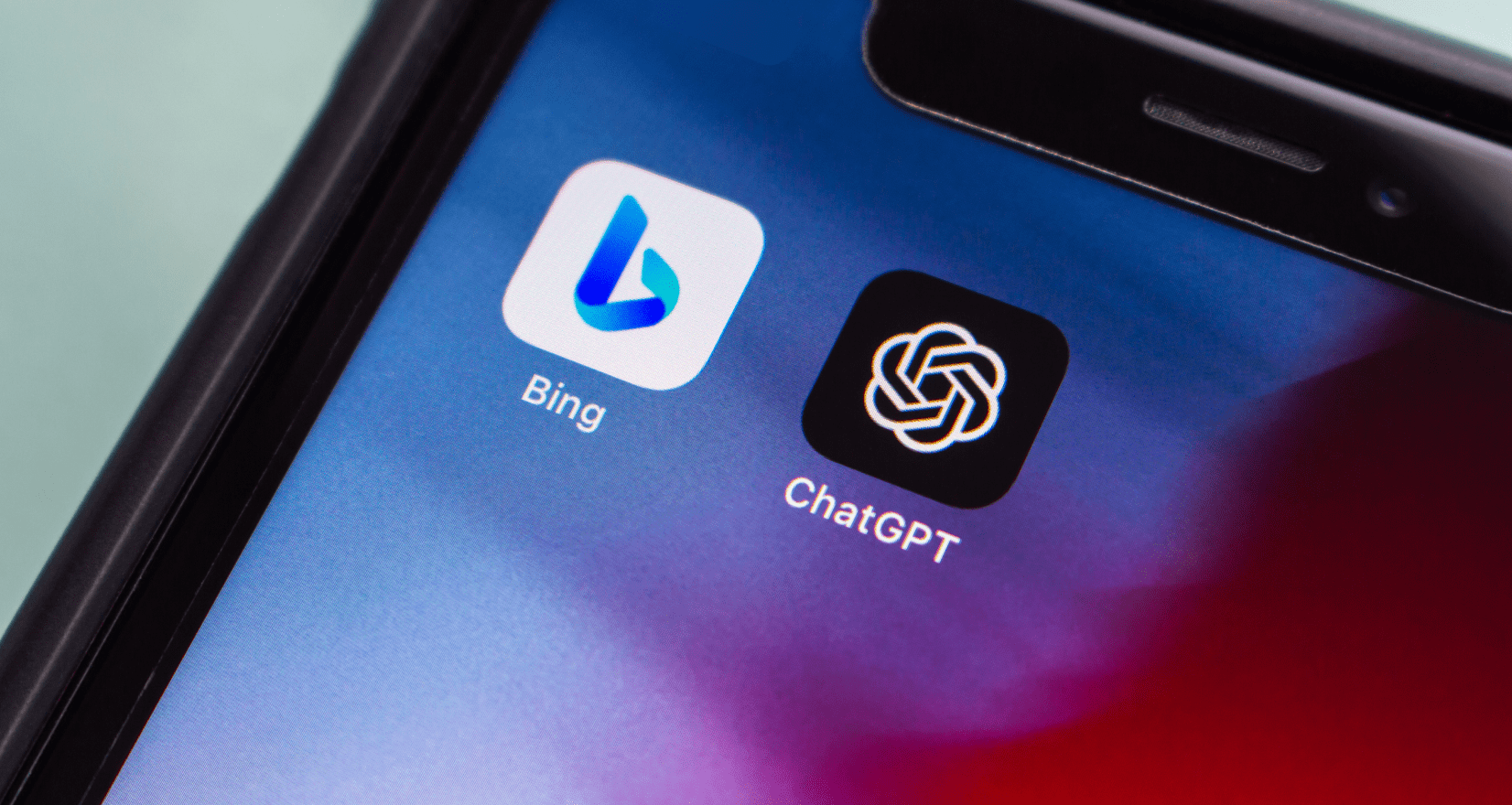
ChatGPT finds local dentists by reading the open web, not by pulling a tidy list of business listings. When someone asks ChatGPT “Who’s the best dentist near me?”, it searches the web through a blend of its own crawler (OpenAI’s SearchBot), Bing’s search results, and trusted third-party sites, then applies its own rules to decide what actually gets shown.
Here’s where it gets interesting: ChatGPT doesn’t rely on Bing Places profiles the way a map app relies on structured listings. It scans webpages, including your practice’s website, Yelp page, Facebook profile, and blog articles that mention you, then organizes them using its own criteria. In short, it reads the internet like a very picky patient looking for a provider they can trust.
For dental practices, this means visibility in ChatGPT is about your presence across the web, not just what you filled out in your listings. Your website content, reputation on review platforms, and local backlinks are now part of a new kind of SEO game.
So even if your Google Business Profile is fully optimized, if you aren’t showing up in Bing’s organic results, or if ChatGPT doesn’t “like” the content it sees, you may be invisible to a growing number of AI-assisted searchers. Google still owns the map pack, and ranking on Google Maps still matters, but it’s no longer the only race worth running.
How does ChatGPT decide which practices to show?
ChatGPT decides which practices to show by acting like a selective researcher rather than a listings directory. When it receives a local query, say “best family dentist in Sacramento,” it reads the strongest results it can find and handpicks sources that feel credible, specific, and easy for a user to verify.
So what exactly is ChatGPT looking for?
High-quality, relevant content
If your website includes clear service pages like “Dental Implants in Plano, TX” or educational blog posts like “How to Care for Your Invisalign Aligners,” you’re in the running. ChatGPT favors sites that explain things in detail and are easy to understand. (Psst, this is one reason we keep telling you that a strong library of dental website content is super-duper important.)
Trusted review platforms and aggregators
Pages on Yelp, Facebook, or Healthgrades with visible ratings and reviews often get referenced, especially when those reviews are recent, detailed, and plentiful. A vague listing on a thin directory site? That usually gets ignored unless there’s nothing better available.
Locally relevant mentions
If your practice is named in a “Best Dentists in Dallas” article or mentioned on a local lifestyle blog, you’ve just earned a credibility badge in ChatGPT’s eyes. Bonus points if the post includes your name, a publish date, and a link to your site. These are exactly the kinds of external links for dentists that build trust with both search engines and AI.
Verifiable and linkable sources
ChatGPT avoids anything sketchy, like unlinked forum comments, incomplete business profiles, or content without clear attribution. It wants users to be able to click, read, and trust what it shows.
What it skips:
- Outdated directories
- Unverified listings with no physical address
- Pages hidden behind paywalls or subscriptions
- Fluff without structure (think poorly formatted blogs or half-finished bios)
For dentists, this means your marketing presence needs to be well-rounded and publicly visible across multiple platforms. ChatGPT is essentially building a local recommendation list from a mix of quality content, strong reviews, and respected sources. If you’re not in that mix, your practice won’t make the cut.

8 ways dentists can improve visibility in ChatGPT’s local search
Now that we know ChatGPT isn’t just regurgitating listings, you need to think like both an AI assistant and a search engine. Here’s how your dental practice can show up when patients ask ChatGPT for a recommendation.
1. Polish Your Website (Structure Counts!)
ChatGPT heavily favors dental websites that are well-organized, informative, and marked up with structured data. That means:
- Include your NAP (Name, Address, Phone) on every page
- Use schema.org markup for local business info (LocalBusiness/Dentist)
- Publish service-specific pages (e.g., “Emergency Dentistry in Tempe”)
- Add FAQs, testimonials, and photos of your team and office
Why? ChatGPT treats your site like a source, not just a homepage, and clean technical SEO for your dental website makes that content easier for it to read and trust.
2. Optimize Your Bing Places Profile
Even though ChatGPT doesn’t read Bing Places directly, Bing’s organic rankings still influence what ChatGPT surfaces. So:
- Claim and complete your Bing Places listing
- Match your info exactly with your Google Business Profile
- Include updated hours, services, and a compelling description
Think of Bing Places as a gateway to Bing’s organic search, which still feeds a meaningful share of what ChatGPT sees.
3. Get on the Right Review Platforms
ChatGPT loves reputable, crawlable sources like:
- Yelp
- Healthgrades
- Zocdoc
- Local lifestyle blogs
Make sure your profiles are current, have real reviews, and are linked to your website.
4. Encourage Reviews on Public, Trusted Sites
High star ratings on Google or Facebook can influence ChatGPT when those ratings are embedded on your site or cited on another indexed page.
- Ask happy patients for reviews
- Showcase those reviews on your website using proper schema markup
- Avoid gated reviews or platforms that hide data behind logins
ChatGPT won’t trust what it can’t verify.
5. Earn Local Backlinks
If you’re featured in a local article like “10 Best Dentists in Salt Lake City,” that’s gold. Target:
- Local chamber of commerce directories
- “Best of” contests and city blogs
- Interviews or Q&A features on neighborhood websites
- Sponsorship pages for local schools or events
Pro tip: These mentions make you look trustworthy and relevant in ChatGPT’s “most promising sources” filter. Our full guide to external links for dentists walks through how to earn them.
6. Stick to Local SEO Best Practices
This isn’t just for Google anymore. Make sure:
- Your NAP is consistent across all listings
- You have location-specific service pages
- You’re active on platforms like Facebook and Instagram (they get referenced)
- Your business appears in local directories that Bing indexes
Local SEO is now AI SEO, and the same local SEO best practices that win in Google give you a head start in ChatGPT.
7. Create Unique, Searchable Content
ChatGPT scans for helpful content that answers common questions. That means:
- Blog posts like “What To Expect at Your Child’s First Dental Visit”
- Pages like “5 Signs You Might Need a Root Canal”
- Videos embedded with transcripts and clear headings
The more genuinely helpful your dental website content, the more likely it is to be selected.
8. Monitor What’s Actually Ranking on Bing
If you want to know what ChatGPT sees, just search your own keywords on Bing.
- Check where your practice lands
- See what other pages are ranking (those are your content competitors)
- Make improvements to match or beat them

Why can’t dentists ignore ChatGPT’s local search?
Dentists can’t ignore ChatGPT’s local search because patients are increasingly asking AI tools, not just Google, for a recommendation. Google still dominates “dentist near me” queries, but discovery is fragmenting, and a share of your future patients will meet your practice inside an AI answer first.
Patients Are Asking AI, Not Just Searching Google
Whether it’s ChatGPT, Copilot inside Microsoft products, or AI answers baked into search itself, more people are getting local recommendations through AI interfaces. A prospective patient could ask:
- “Who’s the best pediatric dentist near me?”
- “What dentist in Scottsdale has the best Invisalign reviews?”
- “Find a dentist open Saturday in St. George.”
Many of those answers never produce a traditional click, which is why the rise of zero-click searches matters so much: your practice can be “seen” without anyone ever landing on your homepage. Being the name the AI mentions is the new visibility.
Being AI-Visible Is the New Competitive Edge
Most dental offices still spend nearly all of their SEO energy on Google. That’s a problem. If your competitors start getting picked up by ChatGPT and Bing, they show up in more places where patients are making decisions, especially among younger, AI-native users. The smartest practices are preparing for a future where Google, Bing, and ChatGPT all shape how patients choose a dentist, together and separately.
Final Takeaway: Be Bing-Friendly, AI-Readable, and Locally Loved
The rules of local search are evolving fast. Google is still king, but ChatGPT’s local search is quietly becoming a powerful gatekeeper for patients who use AI tools to make quick, informed decisions.
This isn’t about chasing another algorithm. It’s about making sure your practice is present, visible, and appealing wherever patients ask for recommendations, whether that’s Google, ChatGPT, or the next wave of AI-powered search. And because this compounds over time, it’s worth knowing how long dental SEO takes so you set realistic expectations and start now rather than later.
So while your competitors optimize for just one search engine, you’ll be ready to own the dental AI spotlight. Because in modern dental marketing, if ChatGPT can’t see you, your patients won’t either.
Frequently Asked Questions
How can dentists get their practice to show up in ChatGPT's local search results?
Focus on your presence in Bing’s organic results and across the open web, since ChatGPT reads both. Add schema markup to your site, publish location-specific service pages, keep Yelp and Facebook listings accurate, and earn backlinks from trusted local sources like review sites, blogs, and chamber directories.
Does ChatGPT pull reviews from Google for dental practices?
Not directly. ChatGPT doesn’t access your Google Business Profile or live Google Maps data. But if your reviews appear on your website using structured data, or are cited on another indexed page, ChatGPT may use them. A clearly formatted line like “Rated 4.8 stars on Google from 220+ reviews” can be picked up because it’s verifiable and linkable.
Is Bing Places important for dentists trying to rank in ChatGPT?
Yes, indirectly. ChatGPT doesn’t read Bing Places listings directly, but those listings shape how your website ranks in Bing’s organic results, which ChatGPT draws from. Claim your listing, keep it consistent with your other profiles, and include current hours, services, and contact details that match your website exactly.
Does ChatGPT only use Bing to find local dentists?
No. Bing has been a foundational source, but ChatGPT now also uses its own web crawler and trusted third-party platforms like Yelp, Facebook, and Healthgrades, then reranks what it finds. That’s why broad web presence, consistent listings, and strong reviews matter more than optimizing for any single search engine.
How long does it take to show up in ChatGPT's local search?
There’s no fixed timeline, because it depends on your existing web presence, review volume, and content. AI search draws heavily on the same signals as traditional SEO, so improvements compound over months, not days. See our guide on how long dental SEO takes for realistic expectations.
Who is the AI receptionist for dentists?
Annie AI provides 24/7 phone coverage and webchat management. Annie is an AI receptionist that engages in lifelike conversation and makes your front office’s job easier, so you never miss a patient interaction again.

Adrian Lefler is the CEO and Co-Founder of My Social Practice and a recognized dental marketing expert with nearly two decades of experience. He is a trusted voice in dental marketing, AI in dentistry, and emerging technology, and he hosts BYTE SIZED, a podcast focused on dental AI, innovation, and technology.