What You’ll Learn:
- What ChatGPT ads are and how they work inside AI conversations
- The premium pricing structure and how it compares to traditional digital advertising
- Which users will (and won’t) see these new ads
- The significant data and reporting limitations advertisers face
- Whether ChatGPT ads for dentists make sense for your practice right now
ChatGPT Ads Roll Out in 2026
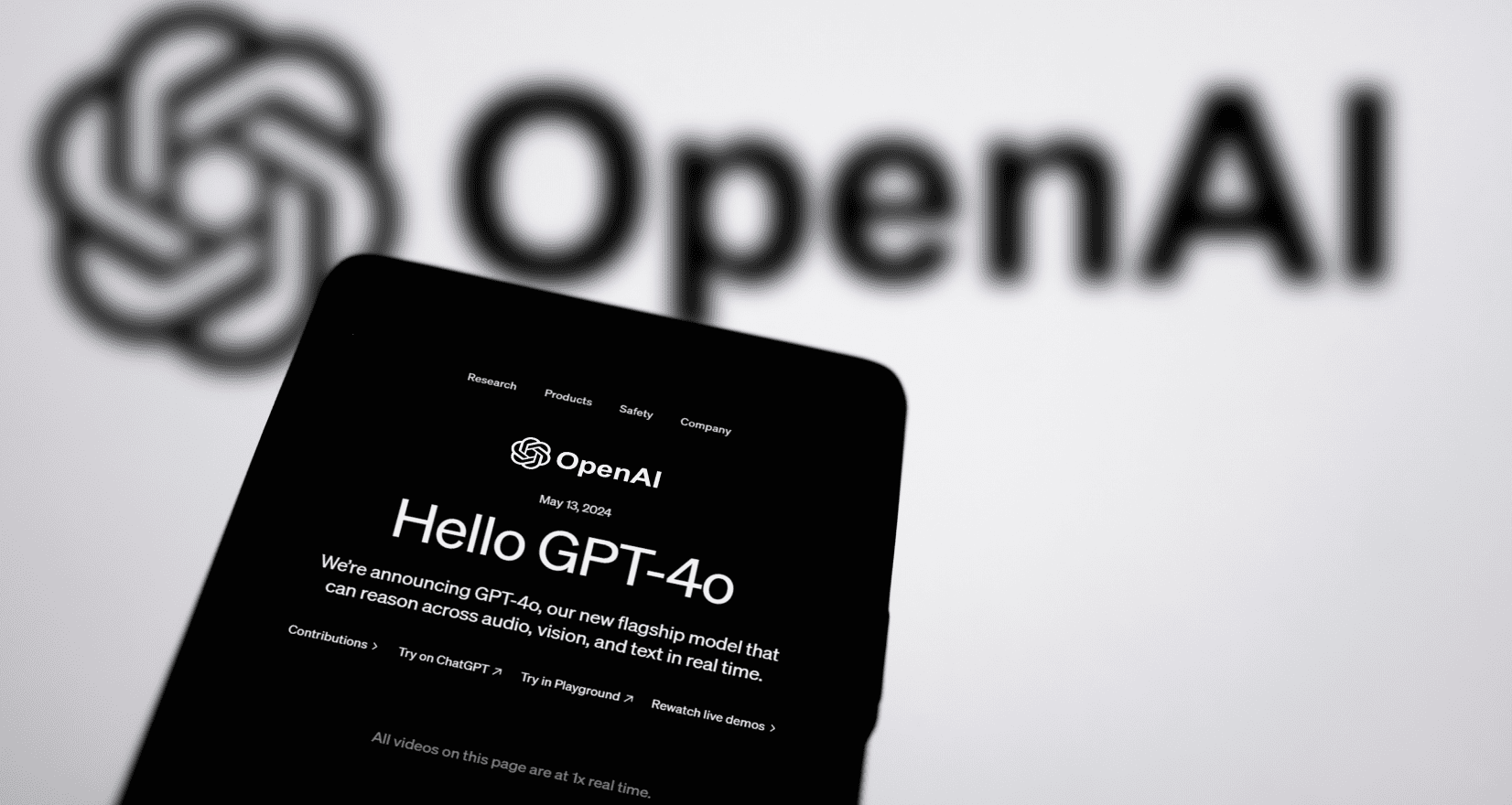
OpenAI just shook up the digital advertising world. The company behind ChatGPT announced it will begin testing ads inside its wildly popular AI chatbot, creating an entirely new channel for reaching potential patients. But before you start reallocating your marketing budget, there are some important details every dental practice owner needs to understand.
Here’s the full breakdown of what’s happening, what it costs, and whether ChatGPT ads for dentists deserve a spot in your marketing strategy.
OpenAI Enters the Advertising Arena
After years of relying on subscriptions and API access for revenue, OpenAI is officially dipping its toes into advertising. The company confirmed that ads will begin appearing in ChatGPT for U.S. users in early 2026, marking a major shift in how the AI giant plans to monetize its flagship product.
The ads will appear at the bottom of ChatGPT responses and only show up when a sponsored product or service is relevant to the conversation. So if someone asks ChatGPT about teeth whitening options in their area, a dental practice ad could theoretically appear alongside the response.
OpenAI is positioning this as a careful, user-first approach. Ads will be clearly labeled, and the company has emphasized that sponsored content will never influence ChatGPT’s actual answers. Your potential patients will still get unbiased information from the AI, with advertising displayed separately.
Who Will See ChatGPT Ads (And Who Won’t)
Not everyone using ChatGPT will encounter these new ads. OpenAI has been specific about which user tiers will see sponsored content:
Will see ads:
- Free tier users (logged in, adults only)
- ChatGPT Go subscribers ($8/month low-cost plan)
Won’t see ads:
- ChatGPT Pro subscribers
- Business and Enterprise plan users
- Anyone under 18 years old
- Conversations involving sensitive topics (politics, mental health, etc.)
This segmentation is interesting for dental marketers. The free and lower-cost tiers represent ChatGPT’s largest user base, meaning significant reach potential. However, these users may also skew toward more budget-conscious consumers compared to premium subscribers.
The Price Tag: Premium Costs, Limited Data
Here’s where things get tricky for dental practices considering ChatGPT ads for dentists as part of their marketing mix.
OpenAI is reportedly pricing ChatGPT ads at approximately $60 per 1,000 impressions (CPM). To put that in perspective, that’s roughly three times higher than typical Meta (Facebook/Instagram) advertising rates.
| Platform | Approximate CPM | Data/Targeting Available |
| ChatGPT Ads | ~$60 | Basic (impressions, clicks only) |
| Meta Ads | ~$15-25 | Extensive (demographics, behaviors, conversions) |
| Google Search Ads | ~$20-40 | Extensive (search intent, conversions, audience) |
| Display Network | ~$2-10 | Moderate (contextual, remarketing) |
But the premium pricing isn’t the only consideration. The bigger challenge? OpenAI is offering significantly less data than advertisers typically receive from platforms like Google or Meta.
According to reports, advertisers will only receive high-level reporting such as total impressions and clicks. There’s no insight into downstream actions like appointment bookings, phone calls, or actual patient conversions. For a dental practice that lives and dies by tracking cost per new patient, this is a substantial limitation.
OpenAI has publicly committed to never selling user data to advertisers and keeping all conversations private. While that’s great news for consumer trust, it means the targeting and attribution capabilities dental marketers rely on simply won’t exist on this platform, at least not yet.
The Trust Factor: Why OpenAI Is Treading Carefully
OpenAI CEO Sam Altman has previously expressed concern that advertising could erode user trust in ChatGPT. The company appears to be walking a careful line, introducing ads in a way that prioritizes user experience over aggressive monetization.
This cautious approach includes several safeguards:
- Ads won’t appear near sensitive or regulated topics
- Users can see why they’re shown a specific ad
- Users can dismiss ads, turn off personalization, or clear ad-related data
- Conversations remain completely private and are never sold
For dental practices, this trust-first positioning could actually be beneficial. If ChatGPT maintains its reputation as a helpful, unbiased tool, ads appearing within that environment may carry more credibility than those on platforms where users have developed “ad blindness.”
Should Your Dental Practice Jump In?
ChatGPT ads for dentists are not a proven patient acquisition channel yet. The combination of premium pricing and limited performance data makes this a risky bet for practices focused on measurable ROI for dental ads.
Consider testing if: your practice has budget for experimentation, dental brand awareness is a priority, or you want first-mover advantage before the platform gets crowded.
Hold off if: every marketing dollar needs clear ROI, you need conversion tracking to justify spend, or your current channels aren’t yet optimized.
The reality is that most dental practices will benefit more from proven omnichannel advertising strategies that offer transparent, trackable results.
What This Means for the Future of Dental Advertising
ChatGPT ads represent something bigger than just another advertising channel. They signal a shift toward AI-powered, conversational advertising that could reshape how patients discover dental practices.
Imagine a future where someone asks an AI assistant, “What should I look for in a family dentist?” and relevant, local practice ads appear seamlessly within that conversation. The intent is high, the context is relevant, and the user is actively seeking guidance.
OpenAI has left the door open to expanding measurement capabilities in the future. If the company eventually offers conversion tracking and better attribution, ChatGPT could become a powerful tool for dental patient acquisition. For now, this is a space worth watching closely.
The Bottom Line
ChatGPT ads for dentists are real, they’re launching soon, and they come with a hefty price tag and significant limitations. While the platform offers exciting potential for reaching patients in a new, high-attention environment, the current lack of performance data makes it a tough sell for ROI-focused dental practices.
The smartest approach? Keep your foundation strong with proven advertising channels that deliver measurable results, and keep an eye on how ChatGPT’s ad platform develops. When OpenAI improves its reporting capabilities, early observers will be ready to move quickly.
Frequently Asked Questions
What are ChatGPT ads and how do they work for dental practices?
ChatGPT ads are a new advertising format from OpenAI that displays sponsored content within ChatGPT conversations. When a user asks the AI chatbot a question related to a product or service, relevant ads can appear at the bottom of the response. For dental practices, this means your ad could potentially show when someone asks ChatGPT questions about dental care, finding a dentist, or specific procedures. The ads are clearly labeled and don’t influence ChatGPT’s actual responses.
How much do ChatGPT ads cost compared to Google or Facebook ads?
ChatGPT ads are priced at approximately $60 per 1,000 impressions (CPM), which is roughly three times more expensive than typical Meta (Facebook/Instagram) advertising. Google Search ads generally range from $20-40 CPM depending on competition. The premium pricing reflects the novelty of the platform and the high-attention environment, but it also comes with significantly less data and targeting options than established advertising platforms.
Can I track how many new patients come from ChatGPT ads?
Currently, no. OpenAI is only providing high-level metrics like total impressions and clicks. Unlike Google or Meta ads, there’s no conversion tracking to show downstream actions like appointment bookings or phone calls. OpenAI has committed to user privacy and won’t sell conversation data, which limits the attribution capabilities advertisers typically rely on. This may change in the future as the platform evolves.
Should my dental practice advertise on ChatGPT right now?
For most dental practices, it’s probably too early to invest heavily in ChatGPT ads. The combination of premium pricing ($60 CPM) and limited performance data makes it difficult to measure ROI. Practices with larger marketing budgets and a focus on brand awareness may find value in early experimentation. However, practices that need every dollar to show clear results are better served by optimizing proven channels like Google Ads, social media advertising, and local SEO first.
Will ChatGPT ads replace traditional dental advertising methods?
Not anytime soon. ChatGPT ads represent an emerging channel, not a replacement for established dental marketing strategies. Traditional digital advertising through search, social, and display networks still offers superior targeting, tracking, and proven ROI for dental practices. That said, AI-powered conversational advertising could become increasingly important as the technology matures and more patients turn to AI assistants for healthcare recommendations. Smart dental marketers will monitor this space while maintaining strong foundations in proven advertising channels.
About the Author: Megan Nielsen is an SEO strategist and the Grand Overlord of copywriting at My Social Practice. My Social Practice is a dental marketing company that offers a full suite of dental marketing services to thousands of dental practices throughout the United States and Canada.