What You’ll Learn:
- What self-promotional listicles are and why they’ve been so popular
- New data showing Google may be penalizing this type of content
- Why “best of” lists without real evidence violate Google’s quality guidelines
- The visibility drops some websites experienced (up to 49% in just two weeks)
- Simple, practical alternatives that actually build trust with patients and search engines
The Listicle Problem
If you’ve ever published a blog post titled something like “Top 10 Dentists in [Your City]” and conveniently ranked yourself at number one, you’re not alone. This strategy has been everywhere in dental marketing for years. It seemed like easy content, a quick SEO win, and a way to show up when patients search for the “best” anything.
But there’s a new problem emerging. Google appears to be catching on. And the consequences could be serious for your practice’s online visibility.

The Rise of the Self-Promotional Listicle
Let’s be honest about what’s been happening. For years, marketing advice for dentists has included some version of this: “Write a blog post about the best dentists in your area and put yourself at the top.” The logic seemed sound. Patients search for “best dentist near me” or “top dental implant specialists in Phoenix,” and if your blog post ranks for that search, you win.
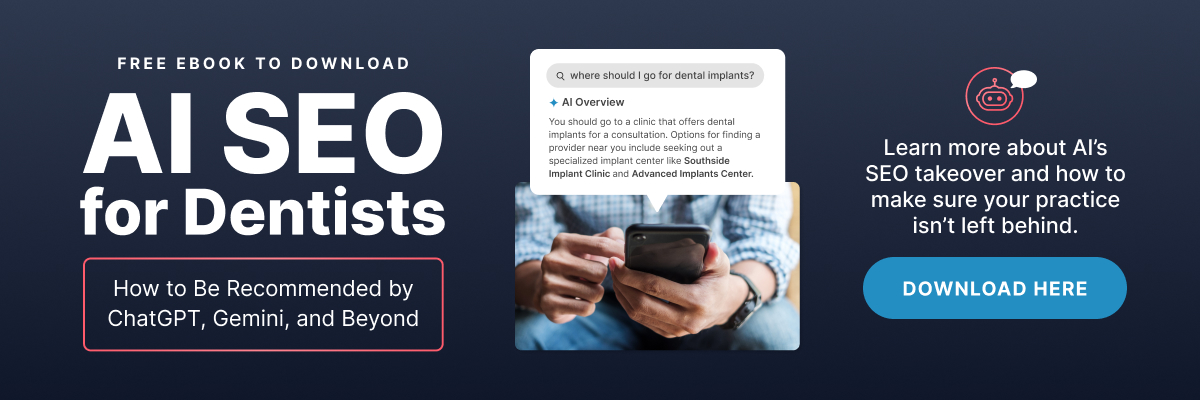
This tactic became even more popular with the rise of AI search tools like ChatGPT and Google’s AI Overviews. These tools often pull information directly from blog content, so a well-placed listicle could get your practice mentioned in AI-generated answers.
The strategy worked. Until it didn’t.
What the Data Is Showing
Recent research from SEO expert Lily Ray at Amsive reveals a troubling pattern. After Google’s December 2025 core update, several well-known brands saw their organic search visibility tank, with drops ranging from 29% to 49% in just a matter of weeks.
The common thread was pretty clear. These sites relied heavily on self-promotional “best of” listicles where they ranked themselves or their products as number one.
Here’s a snapshot of what happened to affected websites:
| Website Type | Visibility Drop | Self-Promotional Listicles Found |
|---|---|---|
| B2B SaaS ($8B company) | -49% | 191 articles |
| SaaS Company A | -43% | 228 articles |
| B2B/B2C SaaS | -42% | 76 articles |
| B2B SaaS | -38% | 267 articles |
| Popular SaaS Product | -34% | 340 articles |
| Software Company | -30% | 61 articles |
| Digital Marketing Provider | -29% | 10 articles |
What’s particularly striking is that last example. Even a site with only 10 self-promotional listicles saw a significant drop. This suggests Google may be weighting this type of content heavily in its quality evaluations.
Why Google Has a Problem with This
Google’s guidelines for review content have always emphasized a few key principles: originality, first-hand experience, and evidence of actual evaluation. Self-promotional listicles fail on all three counts.
Think about it from a patient’s perspective. When someone searches for “best cosmetic dentist in Denver,” they’re looking for trustworthy, unbiased information. What they get instead is a bunch of dental practices all claiming to be number one on their own blogs. There’s no independent testing. There’s no transparent methodology. There’s just a practice saying “trust us, we’re the best.”
Google’s documentation specifically asks content creators to consider whether their content “presents information in a way that makes you want to trust it.” A dentist ranking themselves as the best dentist in town, without any third-party validation, doesn’t exactly inspire confidence.
This type of content sits in the “gray area” of SEO. It’s not technically spam, but it’s not genuinely helpful either. And Google has been getting better at identifying and demoting gray area tactics.
The AI Search Connection
SEO performance and AI search visibility are closely connected. When your traditional search rankings drop, your visibility in AI-generated answers typically drops too.
This includes Google’s AI Overviews, but it also likely affects tools like ChatGPT that pull information from Google’s search results. So a strategy that tanks your SEO could have ripple effects across multiple platforms where patients might discover your practice.
Lily Ray noted in her research that sites losing visibility in traditional search were “rapidly losing visibility in AI Overviews” as well. The two are not separate games anymore.
Other Red Flags Google Might Be Watching
The affected websites in the research weren’t just publishing self-promotional listicles. They showed other patterns that often get sites in trouble during algorithm updates:
Artificial date refreshing. Slapping “2026” in your title when you haven’t actually updated the content doesn’t fool anyone, especially not Google.
AI-generated content at scale. Several affected sites showed signs of rapidly scaling content using AI without sufficient human oversight. When researchers ran the content through AI detection tools, many articles came back as 100% likely to be AI-generated.
Templated, repetitive structures. Using the same programmatic template across hundreds of pages makes it obvious that the content was created for search engines, not humans.
Schema markup violations. Misusing review schema or aggregate ratings on pages that aren’t actually reviews.
If your dental practice blog is doing any of these things alongside self-promotional listicles, the risk multiplies.
What Dentists Should Do Instead
There are better approaches to content marketing that actually build trust with both patients and search engines. Here are practical alternatives:
Focus on What You Actually Know
Instead of writing generic “best of” lists, create content around your genuine expertise. A pediatric dentist could write about common questions parents have about their kids’ dental health. An implant specialist could explain what patients should know before their first consultation. This is content only you can create, and it demonstrates real expertise. Remember that not every piece of copy in listicle format is affected by this change. The key is creating quality content that your patients will find valuable.
Let Patients Tell Your Story
Patient testimonials and reviews on third-party platforms like Google Business Profile carry far more weight than you claiming to be the best. Invest in reputation management that encourages satisfied patients to share their experiences. Those authentic reviews do more for your credibility than any self-promotional blog post ever could.
Create Genuinely Useful Resources
Think about what your ideal patients are actually searching for. They might want to know how much dental implants cost, what to expect during a root canal, or how to choose between Invisalign and traditional braces. Create thorough, honest content that helps them make decisions. This builds trust and positions you as a helpful resource rather than just another practice claiming to be the best.
Get Mentioned by Others
The most powerful endorsements come from sources you don’t control. Getting featured in local news, being quoted in dental publications, or earning mentions from other reputable websites signals to Google that others consider you an authority. This is harder than writing your own listicle, but it’s infinitely more valuable.
Work with SEO Professionals Who Understand the Landscape
Search algorithms change constantly, and what worked last year might hurt you today. Partnering with a dental marketing team that stays current on these changes helps you avoid tactics that seem like shortcuts but turn into liabilities.
The Bottom Line on Listicles
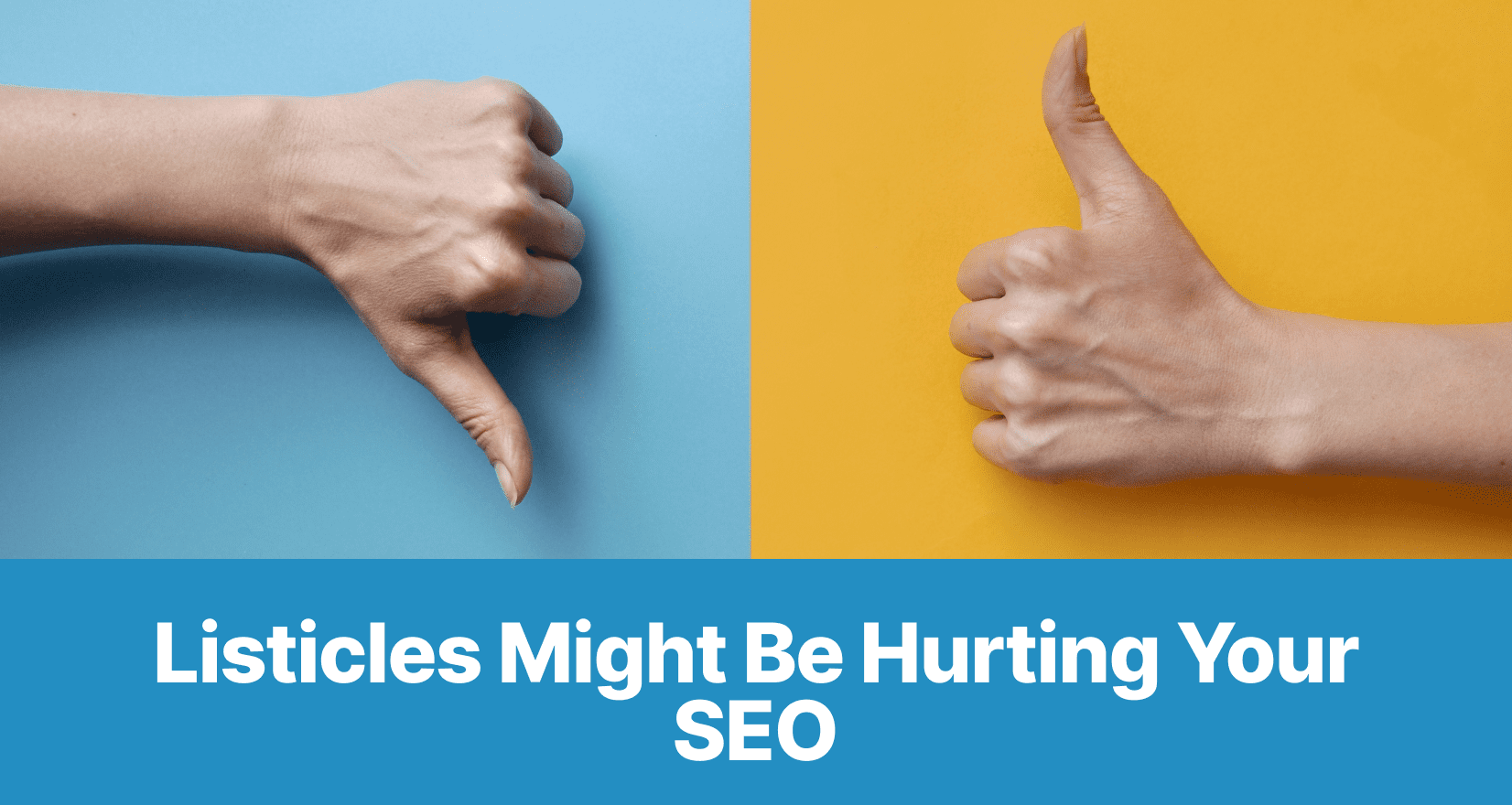
Self-promotional listicles have been a popular shortcut in dental marketing for years. But the evidence is mounting that Google is cracking down on this tactic, and practices that have relied on it could see their visibility plummet.
We recommend a focus on creating genuinely helpful content that serves your patients. Build your reputation through authentic reviews and third-party recognition and stay away from tactics that sit in the gray area of Google’s guidelines.
Because as every experienced SEO professional knows, gray area tactics work until they don’t. And when they stop working, recovery can take months or even years.
Frequently Asked Questions
Should I delete my existing "best dentist" blog posts?
Not necessarily, but you should evaluate them honestly. If you’ve written a genuine, well-researched comparison that includes real insights and doesn’t just rank yourself at the top, it might be fine. But if you have multiple posts that are essentially self-promotion disguised as objective rankings, consider removing them or substantially rewriting them to provide actual value. The research suggests that even a small number of these posts could impact your site’s overall quality perception.
Is it ever okay to write comparison content that includes my own practice?
Yes, but transparency is key. If you’re going to compare your practice to others, be upfront about the fact that you’re the one writing it. Provide clear methodology for your comparisons, include honest assessments of where competitors might excel, and focus on helping patients make informed decisions rather than just promoting yourself. Google’s guidelines emphasize evidence of genuine evaluation, so showing your work matters.
Will these changes affect how my practice appears in ChatGPT and other AI tools?
Likely yes. AI tools like ChatGPT often rely on Google’s search results to gather information, so drops in traditional SEO visibility tend to translate to reduced visibility in AI-generated answers as well. Google’s own AI Overviews are directly tied to search rankings. This makes quality content even more important because you’re no longer just competing for one type of visibility.
What's the fastest way to improve my dental website's content quality?
Start by auditing your existing blog for content that was clearly written for SEO purposes rather than patient education. Look for templated structures, thin content, or posts that don’t offer genuine value. Then focus on creating new content that answers real patient questions based on your clinical experience. Consider working with a dental marketing company that understands both SEO best practices and the specific needs of dental practices to develop a sustainable content strategy.
About the Author: Megan Nielsen is an SEO strategist and the Grand Overlord of copywriting at My Social Practice. My Social Practice is a dental marketing company that offers a full suite of dental marketing services to thousands of dental practices throughout the United States and Canada.