What You’ll Learn:
- What zero-click search is and why dentists have been worried about it
- What Google just changed about links in AI Overviews and AI Mode
- Why this update could mean more website visits from AI search results
- What dentists can do right now to take advantage of this shift
- How strong dental SEO positions your practice to benefit from these changes
Google Just Made Your Links More Visible in AI Search Results
If you’ve heard the phrase “zero-click search” tossed around in marketing conversations lately and quietly panicked a little, you’re not alone. For the past couple of years, dentists and their marketing teams have been watching Google’s AI Overviews essentially answer patient questions without those patients ever needing to click through to an actual website. Patient searches for things like “how long does a crown take” or “best toothbrush for sensitive gums” were getting answered right there on the search results page, with no click, no visit, and no chance for your practice to make an impression. A dark time for niche dental website blog content indeed.
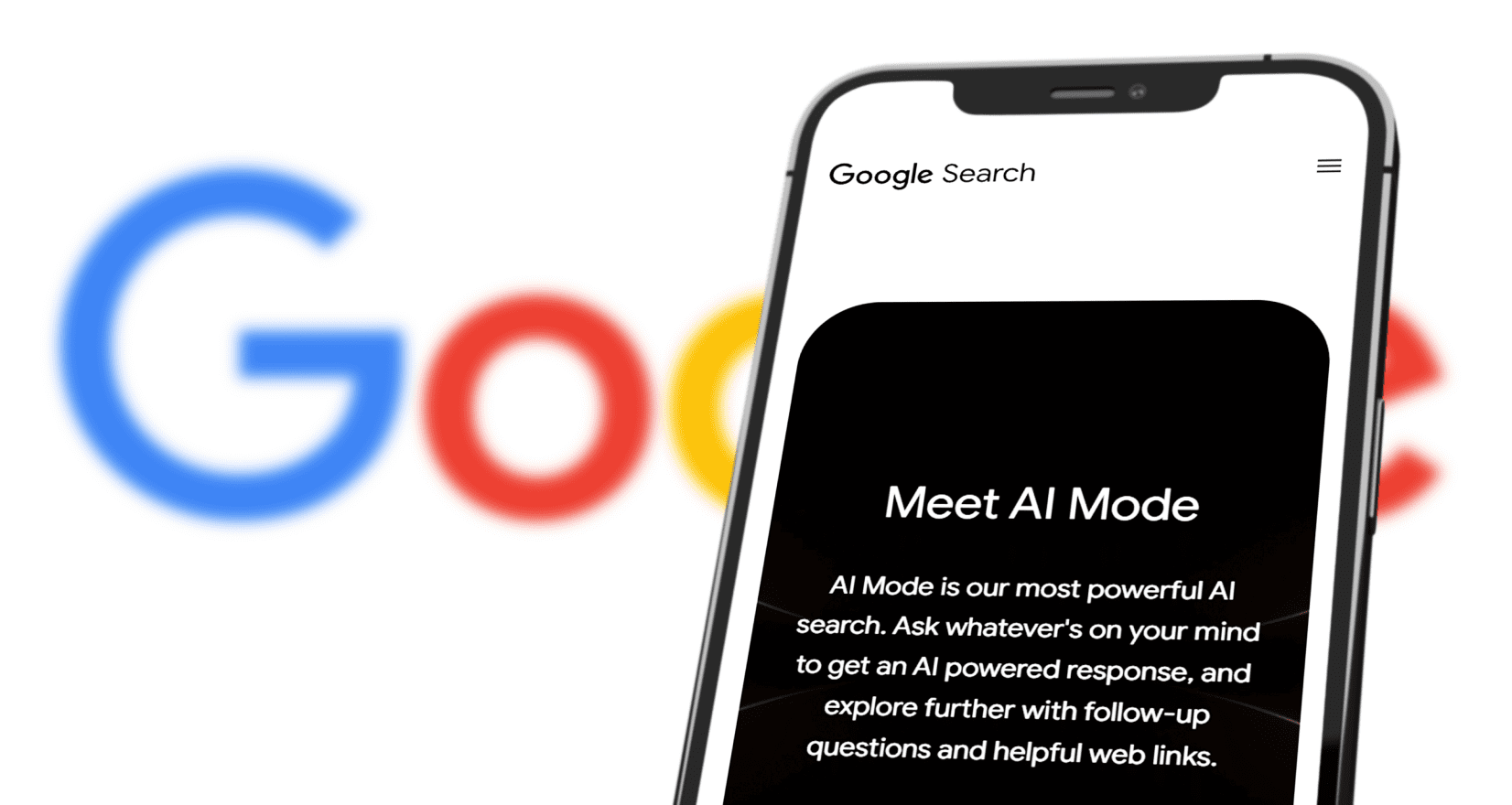
That storyline just got a plot twist. Google has officially rolled out a new link format in both AI Overviews and AI Mode, and it looks a lot more promising for dental practices trying to drive real web traffic. Here’s what happened, what it means, and why now is a great time to make sure your online presence is in good shape.
What Is Zero-Click Search, and Why Has It Been a Problem?
Before getting into the update, it’s worth a quick refresher. Zero-click search happens when Google answers a user’s question directly on the search results page, removing the need to click through to any website. With the rise of AI Overviews (those AI-generated summaries that now appear at the top of many search results), this problem got bigger. Google was pulling information from websites, summarizing it, and presenting it to users without those users ever visiting the source.
For dental practices, this was a real concern. Your website might be the source of great content about dental implants, Invisalign, or pediatric dentistry, but if Google just summarized it at the top of the page, potential patients had no reason to visit your site, learn more about your team, or book an appointment. SEO investment started feeling a little like putting up a billboard that Google kept putting its own sign in front of.
| Search Behavior | Before AI Overviews | With AI Overviews (Old Format) | With AI Overviews (New Format) |
|---|---|---|---|
| User sees result | Clicks website | Reads AI summary | Reads AI summary + sees prominent link pop-ups |
| Website visit likelihood | High | Low | Higher |
| Link visibility | Clear | Minimal/buried | Prominent on hover (desktop) and mobile |
| Source attribution | URL listed | Small citation icon | Descriptive, visible link cards |
What Google Just Changed
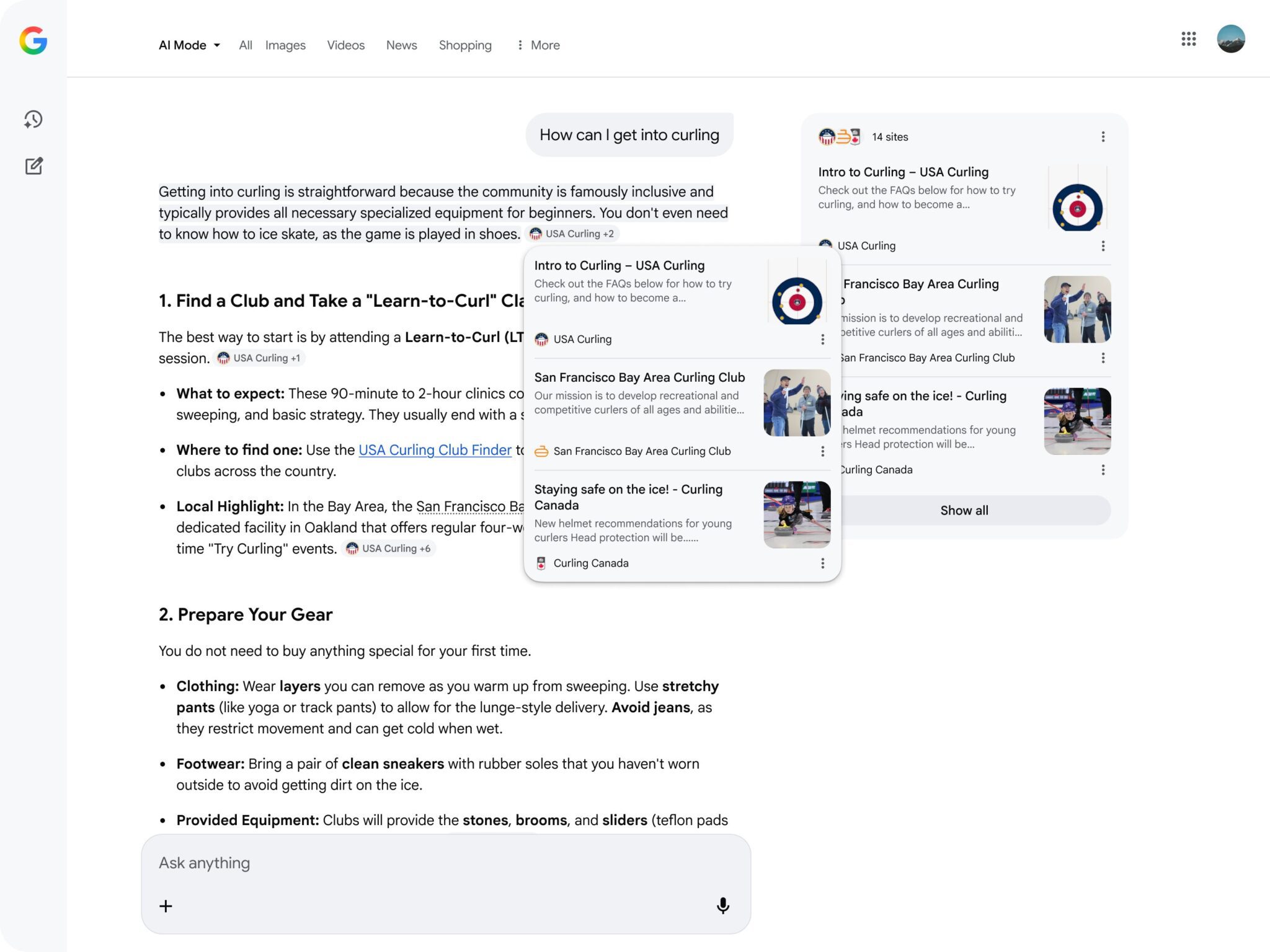
On February 17, 2026, Google officially launched a new link experience inside both AI Overviews and AI Mode. Here’s what’s actually new:
Pop-up link cards on desktop. When users hover their mouse over links within AI Overviews or AI Mode responses, a pop-up window now appears showing more information about the source website. This makes links far more noticeable and clickable than the small citation icons that were barely visible before.
More descriptive link icons on mobile. The update also rolls out more prominent and descriptive link icons within AI responses across mobile devices, where a huge chunk of dental patient searches happen.
Google’s Robby Stein described the change directly, saying the new UI makes it “easier to get to great content across the web,” and that testing shows the update is “more engaging” for users.
In other words, Google is actively trying to send more people to websites from these AI experiences, not fewer. Huzzah! There is much rejoicing in the dental marketing kingdom.
This builds on earlier testing that search industry insiders noticed in early February, where Google was experimenting with a contextual overlay format that displayed source page and site cards when users interacted with link citation icons inside AI Overviews.
Behold, the new format:
Why This Matters for Your Dental Practice
According to a Pew Research study, about one in five Google searches now generates an AI Overview as part of the results. And the overwhelming majority of those AI summaries, around 88%, pull from three or more sources to build their answer. That means Google isn’t leaning on one authoritative website. It’s casting a wide net, and your practice has a legitimate shot at being in it.
What does this mean for dentists in practical terms? If your dental website shows up as a source in an AI Overview for a search like “dental implants near me” or “family dentist Salt Lake City,” there’s now a much better chance that the person doing that search will actually click through to your site.
Before this update, those citations were basically invisible. A tiny icon that most people ignored. So sad. So lonely. Now they’re pop-up cards with real information, sitting right in front of the user while they’re already engaged and reading about a topic related to your services.
Think about the kinds of searches that might pull your practice into an AI Overview:
- Service-specific questions (“how much do veneers cost”)
- Local dentist searches (“best pediatric dentist near me”)
- Educational dental content (“what happens if you don’t treat a cavity”)
- Post-appointment care searches (“how to care for dental implants”)
If your website has good content and your dental SEO is dialed in, you have a real shot at showing up in these results, and now, thanks to this update, a much better chance that those appearances turn into actual website visits (hopefully). It’s worth noting that Google Console hasn’t been updated to display any new data from these pop-ups, so tracking changes falls on dentists paying close attention to fluctuations.
The Catch: You Still Have to Be There First
The thing about this update, though, is it only helps you if your practice is already being cited in AI Overviews and AI Mode results. Google can’t send traffic to your website through a pop-up link card if your website isn’t being pulled into those AI summaries in the first place.
That’s where dental SEO does its heavy lifting. A strong, well-optimized dental website with authoritative content is what earns you a spot in Google’s AI-generated answers. And that spot just became significantly more valuable.
A few areas worth focusing on:
- Your Google Business Profile. Google Maps rankings and your Business Profile still play a major role in local search, including how Google perceives your authority in your area.
- Service and location pages. Well-written pages about your specific services, optimized for local keywords, help establish your site as a reliable source Google wants to cite.
- Regular blog content. Fresh, informative content gives Google more material to pull from when generating AI summaries. Topics like dental health tips, procedure explanations, and FAQs are particularly useful.
- Website speed and mobile optimization. Google pays attention to user experience. A slow or poorly formatted site doesn’t earn the same credibility as a fast, clean one.
My Social Practice’s dental SEO services are built specifically for practices trying to win in this kind of environment. From Google Business Profile optimization to expert copywriting and technical SEO, the focus is on making sure the right patients find your practice, whether they’re clicking through a traditional result or a shiny new AI Overview link card.
What to Do Right Now
The timing of this update is actually pretty good news if you’ve been on the fence about investing in dental SEO. Here’s a simple action list:
- Audit your current website content. Do you have detailed, well-written pages about your core services? If not, that’s a gap worth closing.
- Check your Google Business Profile. Make sure it’s complete, accurate, and regularly updated with posts and photos.
- Start (or stay consistent with) blogging. Informative dental content is exactly what AI Overviews pull from. A consistent blog keeps your site fresh and relevant and it’s more important than ever.
- Look at your site speed. Run a quick check. Slow websites don’t get rewarded by Google, and they don’t impress patients either.
The Big Picture
Google isn’t going away, and AI Overviews aren’t either. But this update signals something important. Google still sees website visits as a core part of the search experience, and they’re actively building tools to drive those clicks rather than eliminate them. That’s a win for dental practices that have been investing in their online presence.
Zero-click search was always a concern, not a certainty. And right now, the landscape looks a little more hopeful than it did a few months ago. The practices that show up in AI results and have compelling, trustworthy dental websites to back them up are the ones that will turn curious searchers into actual patients.
Frequently Asked Questions
What is zero-click search, and how does it affect dental practices?
Zero-click search refers to search results where users get their question answered directly on the search results page without clicking through to a website. For dental practices, this became a bigger issue with the rise of Google AI Overviews, which summarize information from websites at the top of search results. If potential patients can read a summary about dental implant costs or cavity treatment without visiting your site, it reduces the chances they’ll ever land on your page. However, Google’s recent update to AI Overview links is designed to drive more clicks from these summaries back to original websites.
How does dental SEO help my practice show up in Google AI Overviews?
Google pulls content for AI Overviews from websites it considers authoritative, relevant, and well-optimized. Strong dental SEO practices, including optimizing your Google Business Profile, creating detailed service pages, publishing regular blog content, and improving technical site performance, increase the likelihood that Google will cite your website in AI-generated summaries. With Google’s new link visibility update, being cited in AI Overviews now has a much clearer path to turning into actual website traffic.
Do I need to change my SEO strategy because of this Google update?
Not drastically, but it does reinforce the value of content-focused SEO. The practices that will benefit most from Google’s new AI Overview link format are those that are already being cited in AI search results. That means continuing to build high-quality, locally relevant content, maintaining a strong Google Business Profile, and keeping your website technically sound are all still the right priorities. The update rewards good SEO work rather than requiring an entirely different approach.
Will this update affect both desktop and mobile search results?
Yes. Google’s announcement specified that the new, more prominent link cards appear as pop-ups on desktop when users hover over them, and that more descriptive and visible link icons are also rolling out across mobile devices. Since a significant portion of dental patient searches happen on mobile, this is particularly relevant for practices trying to capture local patients who are searching on the go.ach.
How long does it take for dental SEO to start showing results?
SEO is a long-term investment rather than an overnight fix. Most dental practices start seeing meaningful movement in local search rankings within three to six months of consistent SEO work, though results vary based on competition in your area and the current state of your website. The upside of SEO compared to paid ads is that the benefits compound over time. A well-ranked website keeps driving traffic without requiring a continuous ad spend, making it one of the most cost-effective long-term marketing strategies for dental practices.
About the Author: Megan Nielsen is an SEO strategist and the Grand Overlord of copywriting at My Social Practice. My Social Practice is a dental marketing company that offers a full suite of dental marketing services to thousands of dental practices throughout the United States and Canada.